
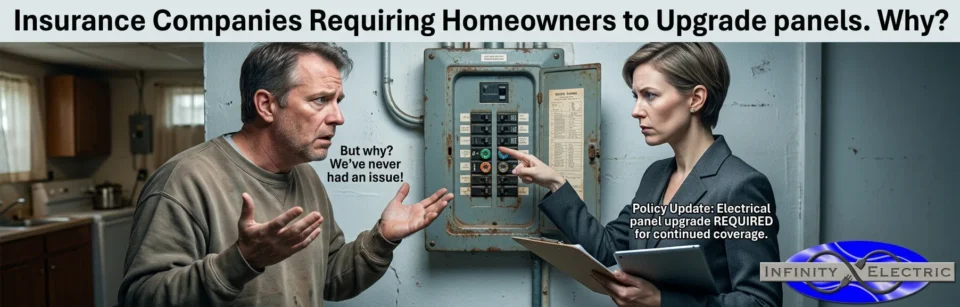
Homeowners insurance is essential for protecting your home and belongings. But securing or renewing a policy can come with conditions. One common requirement is an electrical panel upgrade.
Insurance companies often demand this to reduce fire risks and ensure safety. Outdated panels, like Federal Pacific and Zinsco, pose significant hazards. Fuse boxes, too, are often flagged for not meeting modern standards.
In California, specific regulations highlight the importance of electrical safety. Understanding these requirements can help homeowners avoid policy issues.
An electrical panel upgrade might seem daunting, but it offers many benefits. It enhances safety, boosts home value, and can even lower insurance premiums.
This guide will explore why insurers require these upgrades and what homeowners can expect.
Why Insurers Require Electrical Panel Upgrades
Insurance companies prioritize safety when assessing a home’s eligibility for coverage. One major concern is the condition of a home’s electrical system.
Older electrical panels present significant risks, which can lead to electrical fires. These fires are often catastrophic, resulting in costly claims for insurers.
To mitigate these risks, insurers require electrical panel upgrades. This ensures the safety of residents and reduces potential liabilities.
Moreover, outdated panels might not comply with current safety standards. Upgraded panels handle modern electrical demands more efficiently.
Reasons insurers require upgrades include:
- Reducing fire hazards associated with outdated panels
- Ensuring compliance with current electrical codes
- Lowering the risk of electrical malfunctions
- Promoting energy efficiency and home safety
Upgrading electrical panels is not just about following insurer mandates. It’s a proactive move to protect your home from potential dangers. Insurers are keen to offer homeowners policies when they see updated and safe electrical systems. Requiring an upgrade demonstrates their commitment to safeguarding homes and residents.
The Risks of Outdated Electrical Panels: Federal Pacific, Zinsco, and Fuse Boxes
Outdated electrical panels, like Federal Pacific and Zinsco, pose significant safety hazards. These panels have a history of malfunctions that can lead to serious electrical fires.
Federal Pacific panels are notorious for circuit breaker failures. When breakers do not trip, they allow overheating and increase fire risks. Homeowners often face these issues without realizing the potential danger.
Zinsco panels, on the other hand, struggle with poor connections. These weak connections can lead to overheating, causing wires to melt and fires to ignite. Even minor issues can quickly escalate into catastrophic events.
Meanwhile, fuse boxes, once a staple in homes, now fall short of meeting modern safety standards. They lack the capacity to handle today’s electrical loads. This inadequacy leads to frequent blown fuses, posing a safety and convenience issue.
Common risks associated with outdated panels include:
- Failure to properly trip circuit breakers, leading to overheating
- Inability to support current electrical demands
- Increased vulnerability to electrical fires
- Potential for electrical shock from outdated systems
For homeowners, these risks are not worth the gamble. Addressing them can prevent disastrous outcomes and secure the safety of their homes. Modern panels not only enhance safety but also support the energy demands of today’s tech-dependent households. Recognizing the risks helps homeowners make informed and safe choices for their families. Understanding the implications of having outdated panels is crucial in ensuring long-term home safety.
California’s Electrical Safety Standards and Insurance Requirements
California has stringent regulations for electrical safety. These standards aim to protect homeowners from preventable electrical hazards. Insurers often align with these rules to minimize risks.
The state’s electrical code mandates upgrades for outdated or dangerous panels. Non-compliance can lead to serious repercussions, such as denied insurance claims or higher premiums. Therefore, understanding these requirements is crucial for homeowners.
Insurers in California often require electrical panel assessments during policy renewals. Identifying potential risks helps in making insurance decisions. Failure to upgrade non-compliant panels may result in refusal of coverage or expensive premiums.
Homeowners should be aware of key aspects regulated by California:
- Mandatory safety inspections
- Required updates for non-compliant panels
- Documentation to prove upgrades comply with state regulations
Complying with these standards not only satisfies insurance requirements but also ensures a safer home environment. Staying informed about local regulations can prevent unwanted surprises with your homeowner’s insurance. Such diligence in understanding and updating electrical systems contributes to overall home safety and preservation.
How Insurance Companies Handle Outdated Panels
Insurance companies scrutinize electrical panels to assess risk. Outdated panels, such as those from Federal Pacific or Zinsco, often raise red flags. Insurers may require upgrades to continue offering coverage.
These insurers have clear protocols for dealing with outdated electrical systems. They often mandate a thorough inspection to identify potential hazards. Based on the findings, they may issue specific upgrade requirements.
Failure to update a risky panel can lead to significant insurance consequences. Some insurers might deny coverage entirely. Others may impose higher premiums or strict policy conditions until updates are complete.
Here’s how insurers typically handle outdated panels:
- Require professional inspection by a licensed electrician
- Specify necessary upgrades and timelines for completion
- Adjust premiums based on the panel’s condition
Staying proactive with electrical upgrades can prevent insurance complications. By addressing outdated panels promptly, homeowners ensure their coverage remains intact while enhancing home safety. Understanding these insurer protocols helps homeowners better navigate insurance requirements.
What to Expect During an Electrical Panel Upgrade
Upgrading an electrical panel involves several critical steps. First, a licensed electrician assesses the current system. This evaluation helps identify outdated components that need replacement.
Before beginning the upgrade, you can expect a detailed plan. The electrician outlines the scope of work, expected costs, and completion timeline. A clear understanding of these elements prepares homeowners for what’s to come.
During the upgrade process, power will be temporarily shut off. This downtime ensures safety as the electrician works. Homeowners should prepare for potential disruptions, such as needing alternative lighting sources.
Here’s a typical sequence of events during an upgrade:
- Inspection and assessment of the existing panel
- Creation of a work plan with estimated costs
- Temporary power disconnection for safety
- Replacement of outdated components
- Installation of a modern circuit breaker panel
- Safety testing and verification of the new setup
After installation, the electrician conducts thorough testing. These checks ensure the new panel functions correctly and safely. Upon completion, the electrical system is more efficient and secure.
Homeowners should also expect follow-up visits. These help address any questions and verify the upgrade’s success. Documenting the upgrade process is wise for insurance and future resale purposes.
Costs, Permits, and Choosing a Licensed Electrician
The cost of an electrical panel upgrade can vary. Factors influencing the cost include panel type, labor, and local rates. On average, costs range from $1,000 to $3,000.
Permits are a crucial part of the process. Local regulations often require permits for electrical upgrades. Ensure your electrician handles these permits efficiently.
Selecting a skilled electrician is essential. A licensed professional ensures the upgrade meets safety codes. Verify the electrician’s experience, reviews, and certifications.
Key points to consider:
- Compare multiple quotes to find a fair price
- Confirm the electrician is licensed and insured
- Check their familiarity with local permit requirements
- Ask for references from past clients
An experienced electrician reduces potential risks. They also ensure the upgrade aligns with insurance requirements. Investing in a reputable professional is vital for a successful upgrade.
Finally, remember to factor in additional costs. Potential expenses include fees for permits and inspections. Being prepared for these costs avoids surprises in the upgrade process.
Benefits of Upgrading Your Electrical Panel
Upgrading your electrical panel comes with numerous advantages. It significantly enhances the safety of your home. Modern panels minimize the risk of electrical fires and malfunctions.
An updated panel boosts home energy efficiency. Older panels often can’t handle the demands of today’s technology. New installations support modern smart home devices with ease.
From a financial perspective, an upgraded panel can increase your home’s resale value. Buyers favor homes with updated electrical systems. This investment can pay off when selling your property.
Insurance premiums may decrease after an upgrade. Insurers offer discounts for homes with enhanced electrical safety measures. Always check with your provider for potential savings.
Key benefits include:
- Improved safety and reduced fire risk
- Enhanced energy efficiency and capacity for modern devices
- Increased home resale value
- Potential insurance premium discounts
These benefits highlight the value of upgrading. Prioritizing an electrical panel upgrade ensures the safety and efficiency of your home.
Frequently Asked Questions About Electrical Panel Upgrades for Homeowners Insurance
Why do insurance companies insist on electrical panel upgrades? Insurance companies require upgrades to reduce the risk of electrical fires. Updated panels comply with safety standards, ensuring greater reliability.
What happens if I don’t upgrade my panel? Failure to upgrade can lead to denied coverage. Insurers might increase your premiums or refuse renewal. Upgrading ensures continuous coverage and potentially lower rates.
How do I know if my panel needs upgrading? Look for signs like frequent breaker trips or flickering lights. If your panel is outdated, such as Federal Pacific or Zinsco, consider upgrading.
Are there any incentives for upgrading? Yes, some local programs offer rebates or incentives. Check with utility companies or local government for available options.
Frequently asked questions include:
- Why are upgrades necessary for insurance?
- What are the consequences of not upgrading?
- How to identify an outdated panel?
- Are financial incentives available?
Always consult with a professional for your specific situation. This ensures your home is safe and insurance requirements are met.
Final Tips for Homeowners Facing Insurance Panel Upgrade Requirements
Facing electrical panel upgrade requests can feel overwhelming, but it’s manageable. Start by understanding your insurer’s requirements. This helps you prioritize your actions effectively.
Consult with a licensed electrician to assess your current panel. This evaluation will guide necessary updates to meet insurance standards. Remember, professional advice is invaluable in such technical matters.
Consider these actions:
- Review your insurance policy for specific upgrade requirements.
- Keep documentation of all electrical work done.
- Communicate regularly with your insurance agent for updates.
Taking proactive steps ensures a smooth upgrade process and continued insurance coverage. Keeping informed will protect both your home and your peace of mind.